Jul 31, 2006

Jul 15, 2006
Marcel Moia
MARCEL MOIA - A redrafted interview.
Daniel Pryde-Jarman, Daedalus
In response to the invitation to submit work on the theme of an ‘Extenuating Circumstance’ a piece that involved creating an artwork in front of a live audience at the show’s Private View was undertaken. Was this a performance?
No not a performance, rather a carrying out of a performative set of ‘gestures’ - without spotlight, fanfare or otherwise set aside platform. This extension to a series of works collectively titled ‘Analogue Pixellated Portraits’ was the first to be carried out in the presence of an audience. As ‘error’ is one of the concerns of the work, it was deemed interesting what potential differences the Extenuating Circumstance of a busy Private View might affect.
No one was spoken to during the act of making the work, even though they tried to engage in dialogue, was this because of a desire not to compromise what seemed to be a performative ritual?
The ‘conjuring’ of the work takes the form of a systematically ascetic ritual. According to this apophatic way the removal of everything irrelevant to the task at hand - the sticking of pieces of paper to the wall according to a predefined code, as fast as possible - is removed. Any altered-for-consumer deviation from this path would be the equivalent of say a Native American Ghost Dance performed for tourists – nothing more than a spectacle, empty of meaning.
The work was left after 2 hours because this was the original remit of the work’s design, but is it imaginable that a point could have been reached at which it would have been unacceptable to leave the work? Is completing an image like this in a given time an accomplishment or an arbitrary occurrence?
Usually these works are drawn directly onto the gallery wall, as a non-stop unseen performance-related aktion in 12-16 hours overnight, between the end of a Private View and the opening of the show the first day. The resolution of a chosen image – downgraded to a certain number of ‘pixels’ – is dictated by the area that it is guesstimated can be covered in the time available. The amount of work necessary is calculated to require high output for successful completion of the portrait, by a slim margin, but also at the same time encompass a real chance of ‘failure’. As this was the first trial of this methodology, which required the additional step of pre-sticking 2,500 small pieces of whitetack to the wall in a 50x50 grid, the time needed to complete was somewhat underestimated.
Should the image chosen this time, a kind of reproduction of Warhol’s screentest of Marcel Duchamp, be seen as a protracted portrait, or a perpetuation of visual art’s icon tradition?
The controlled but ‘frantic’ method of creation necessary seemed to set up an interesting dialogue with Duchamp’s unblinking and impassive sitting for the camera – surely a knowing minimal performance – in 1966. Whilst the elongation of the portrait, due to the squares of paper overlapping because the whitetack was mistakenly gridded too tightly, was completely unplanned, the iconoclasm of an iconoclast was fully intended – as error is always an anticipated and inevitable part of these portraits.
The ephemeral nature of the materials used - torn squares of paper - adds to the play between the laborious work ethic and the worth of the object left in the gallery, which has the dichotomy of being seemingly monumentalized and transient. Perhaps what was left in the gallery was a vestige of the act?
It is intended that the work makes apparent both its process and materials. The nature of the materials used being as unremarkable as possible, biro – pencil - kiddie crayon – cartridge paper, and the process of ‘hashing in’ and sticking up 2,500 small pieces of paper being so unspecial skilled as possible, hopefully draw attention to other interpretations of worth. What was left should be regarded as no more than evidence of something having happened… which is then later cleared away and ceases to exist.
The gallery was revisited near the end of the show to continue working on the incomplete image left behind after the Private View. To what extent was this return to the piece equivalent to prior incarnations? Was it comparable, or removed like a kind of tourism?
This was a departure from usual methodology, where works are completed as one continuous endurance feat. As the work is comprised equally of: the coding process, the actualization process, and the physically realised ‘object’, in this instance a work was not actually created. This incomplete work could be looked upon as similar to the fully carved but uninstalled heads (Moia) still in situ in quarries on Easter Island. The further working of the piece at the later date was undertaken as nothing more than an exercise - out of sheer curiosity.
Daniel Pryde-Jarman, Daedalus
In response to the invitation to submit work on the theme of an ‘Extenuating Circumstance’ a piece that involved creating an artwork in front of a live audience at the show’s Private View was undertaken. Was this a performance?
No not a performance, rather a carrying out of a performative set of ‘gestures’ - without spotlight, fanfare or otherwise set aside platform. This extension to a series of works collectively titled ‘Analogue Pixellated Portraits’ was the first to be carried out in the presence of an audience. As ‘error’ is one of the concerns of the work, it was deemed interesting what potential differences the Extenuating Circumstance of a busy Private View might affect.
No one was spoken to during the act of making the work, even though they tried to engage in dialogue, was this because of a desire not to compromise what seemed to be a performative ritual?
The ‘conjuring’ of the work takes the form of a systematically ascetic ritual. According to this apophatic way the removal of everything irrelevant to the task at hand - the sticking of pieces of paper to the wall according to a predefined code, as fast as possible - is removed. Any altered-for-consumer deviation from this path would be the equivalent of say a Native American Ghost Dance performed for tourists – nothing more than a spectacle, empty of meaning.
The work was left after 2 hours because this was the original remit of the work’s design, but is it imaginable that a point could have been reached at which it would have been unacceptable to leave the work? Is completing an image like this in a given time an accomplishment or an arbitrary occurrence?
Usually these works are drawn directly onto the gallery wall, as a non-stop unseen performance-related aktion in 12-16 hours overnight, between the end of a Private View and the opening of the show the first day. The resolution of a chosen image – downgraded to a certain number of ‘pixels’ – is dictated by the area that it is guesstimated can be covered in the time available. The amount of work necessary is calculated to require high output for successful completion of the portrait, by a slim margin, but also at the same time encompass a real chance of ‘failure’. As this was the first trial of this methodology, which required the additional step of pre-sticking 2,500 small pieces of whitetack to the wall in a 50x50 grid, the time needed to complete was somewhat underestimated.
Should the image chosen this time, a kind of reproduction of Warhol’s screentest of Marcel Duchamp, be seen as a protracted portrait, or a perpetuation of visual art’s icon tradition?
The controlled but ‘frantic’ method of creation necessary seemed to set up an interesting dialogue with Duchamp’s unblinking and impassive sitting for the camera – surely a knowing minimal performance – in 1966. Whilst the elongation of the portrait, due to the squares of paper overlapping because the whitetack was mistakenly gridded too tightly, was completely unplanned, the iconoclasm of an iconoclast was fully intended – as error is always an anticipated and inevitable part of these portraits.
The ephemeral nature of the materials used - torn squares of paper - adds to the play between the laborious work ethic and the worth of the object left in the gallery, which has the dichotomy of being seemingly monumentalized and transient. Perhaps what was left in the gallery was a vestige of the act?
It is intended that the work makes apparent both its process and materials. The nature of the materials used being as unremarkable as possible, biro – pencil - kiddie crayon – cartridge paper, and the process of ‘hashing in’ and sticking up 2,500 small pieces of paper being so unspecial skilled as possible, hopefully draw attention to other interpretations of worth. What was left should be regarded as no more than evidence of something having happened… which is then later cleared away and ceases to exist.
The gallery was revisited near the end of the show to continue working on the incomplete image left behind after the Private View. To what extent was this return to the piece equivalent to prior incarnations? Was it comparable, or removed like a kind of tourism?
This was a departure from usual methodology, where works are completed as one continuous endurance feat. As the work is comprised equally of: the coding process, the actualization process, and the physically realised ‘object’, in this instance a work was not actually created. This incomplete work could be looked upon as similar to the fully carved but uninstalled heads (Moia) still in situ in quarries on Easter Island. The further working of the piece at the later date was undertaken as nothing more than an exercise - out of sheer curiosity.
Jul 13, 2006
Brighton Biennial
This October Brighton will be the host of the second edition of the Brighton Photo Biennial, the leading photography festival in the UK, showing new and commissioned bodies of work by internationally recognised photographic artists.
The Brighton Photo Fringe will once again run in parallel with the BPB, using the increased awareness of photography in the media and public, and the audience of international arts professionals attending the BPB, to raise the profile of and create opportunities for photographers that are based in Brighton and surrounding areas.
Grey Area is pleased to be taking part in the Photo Fringe and will be exhibiting the work of Danny Wilson, Nigel Green and Marcus Haydock during October 2006.
The Brighton Photo Fringe will once again run in parallel with the BPB, using the increased awareness of photography in the media and public, and the audience of international arts professionals attending the BPB, to raise the profile of and create opportunities for photographers that are based in Brighton and surrounding areas.
Grey Area is pleased to be taking part in the Photo Fringe and will be exhibiting the work of Danny Wilson, Nigel Green and Marcus Haydock during October 2006.
theidiot.co.uk
Re: Revision 1.7 and back again
i'm saying that idiocy can be episodic. for example:everytime i eat bread i choke. i know i'm going to choke if i eat ittoo quickly. i know i'm going to choke whilst i'm holding the bread.i'm know whilst i'm chewing. i know while i'm swallowing. yet i stillchoke. every time.idiot.it's like a blindness over comes me. i just can't see it coming. iknow after the event that i am choking and i know why but i don'tremember the moment i started to forget.It's like a blackout. or maybe it's like a form of epilepsy. maybedostoyevsky was onto something...
theidiot.co.uk
i'm saying that idiocy can be episodic. for example:everytime i eat bread i choke. i know i'm going to choke if i eat ittoo quickly. i know i'm going to choke whilst i'm holding the bread.i'm know whilst i'm chewing. i know while i'm swallowing. yet i stillchoke. every time.idiot.it's like a blindness over comes me. i just can't see it coming. iknow after the event that i am choking and i know why but i don'tremember the moment i started to forget.It's like a blackout. or maybe it's like a form of epilepsy. maybedostoyevsky was onto something...
theidiot.co.uk
Jul 12, 2006

I see black light
 Every now and then an artist may give you a gift, on accepting an invitation to exhibit.
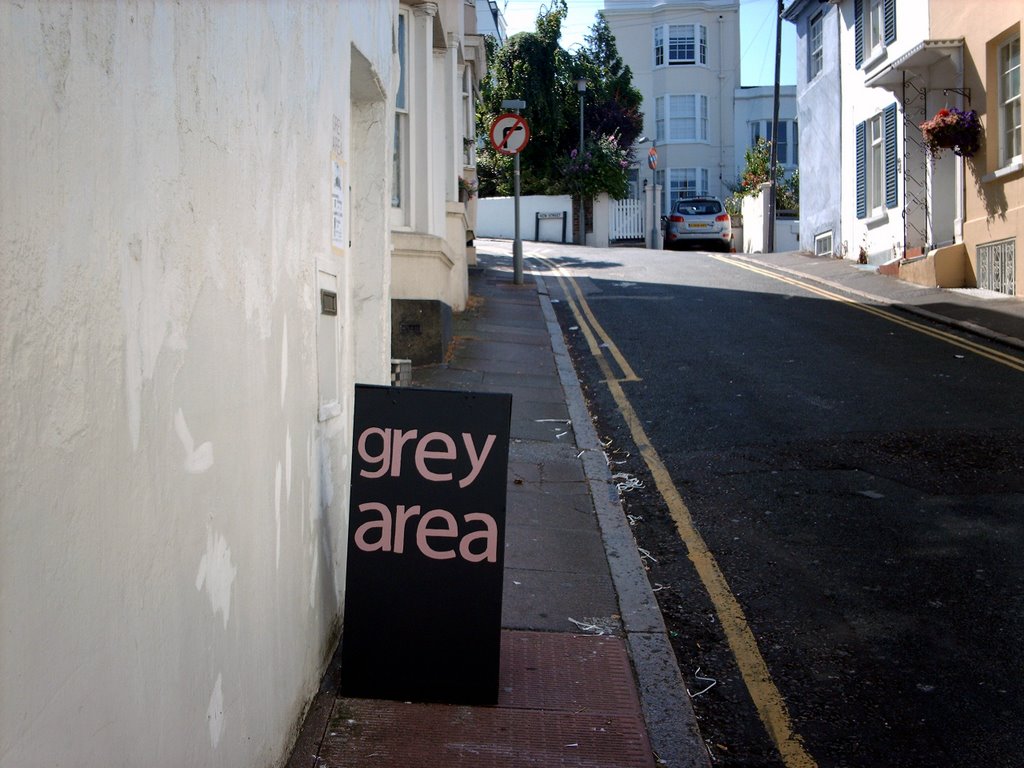
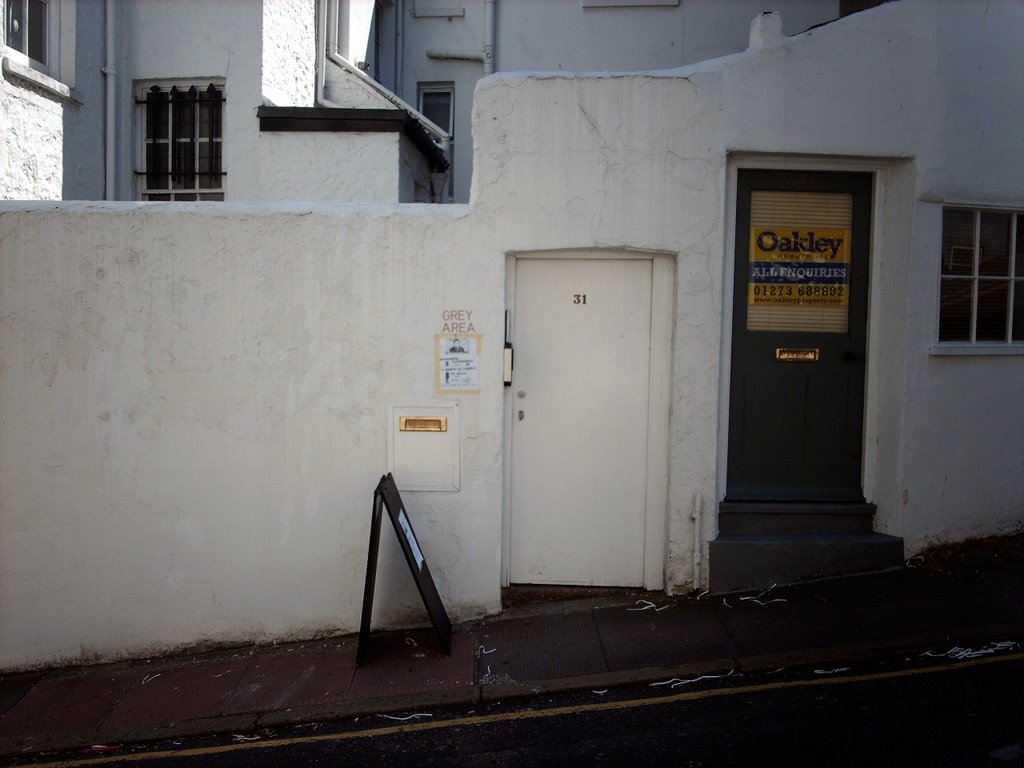
Invite Extenuating Circumstance
An extenuating circumstance may be beyond our control, unforeseeable or unpresentable. A phrase for the evidence of compassion and empathy for our shared conditions, it acknowledges how our achievements can be restricted by other events that may prevent the demonstration or acquisition of skills, knowledge or competencies. Mitigating circumstances do not necessarily excuse or justify conduct, but are considered out of mercy or fairness in deciding the degree of blame and the potential reduction of penalties. The heat of passion may diminish our capacity to act with sense, and a retrospective acknowledgment of surrounding factors may warrant a more lenient evaluation of our difficulties and efforts. Circumstances dictate the nature of evidence, and when they are themselves dictated by hindrance, our judgments alter what can normally have been expected to occur.
‘When you shall these unlucky deeds relate,
Speak of me as I am; nothing extenuate’
Othello
Act 5, sc21.356
‘When you shall these unlucky deeds relate,
Speak of me as I am; nothing extenuate’
Othello
Act 5, sc21.356
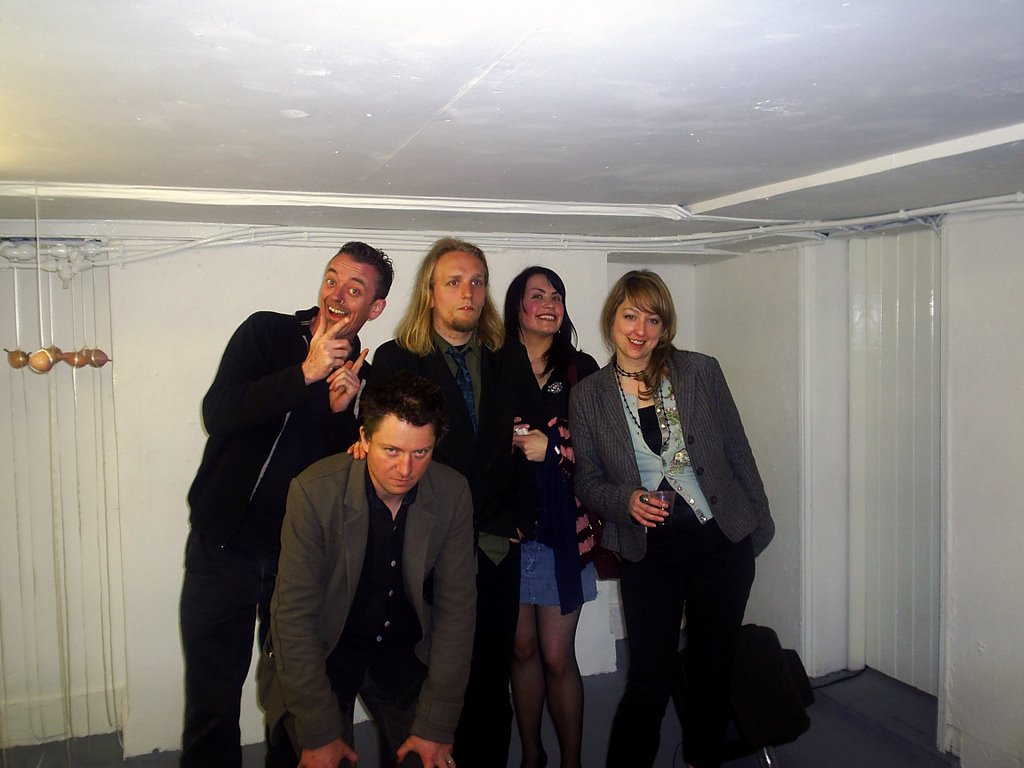
Conversation with Daedalus
Conversation between Daedalus and Daniel Pryde-Jarman, Fri 30th June
You reacted to the invitation to submit work on the theme of an ‘Extenuating Circumstance’ with a piece that involved creating an artwork in front of a live audience at the show’s Private View. Do you consider yourself to be a performance artist?
I am not a performer, but my work is performative. I am interested in the error and chance inherent in a performative framework, whereby that frame can become distorted and how that may affect purpose and the practical completion of a work. The image that I made on the wall of the gallery required that I map out a grid, but error altered this grid during the work. A square of the grid could be missed or a line slanted, and that requires that I adapt. The image that I made was not intended to overlap, but it did, and that was ok because it was relevant to the physical process of this specific work. Unintentional things may occur but I decide what to alter and what to pursue.
You didn’t speak to anybody during the act of making the work, even though guests spoke to you out of curiosity. Is this because you didn’t want to compromise what seemed to be a performative ritual?
Yeah, it didn’t seem relevant to talk or communicate with anybody as I was doing something else. It required a concentration and a removal of everything that was irrelevant to the task at hand. There are things that I cannot control, particularly with live art, but I can choose whether I actively invite distractions or not. For that piece everything that did not involve sticking pieces of code to the wall to create an image was unimportant. I am fascinated by the purposes of ritualism, and how cultural rituals have become emptied by industry. Like how traditional Native American performances have become drained of meaning in their original sense and consumer-altered for the tourist industry.
You came back to the gallery to continue working on the image left behind after the Private View. To what extent was this return to the piece equivalent to your prior process? Was it comparable, or removed like a kind of tourism?
I actually don’t think that the image left in the gallery was an artwork in the show. The performative act of putting it together may have been, but the image was not complete. I returned to finish the grid of paper squares. This was not equivalent to art, but a practical task with a definitive objective. There are monument heads on Easter Island that were not finished. They were not left to be effective when compared to the other completed heads. They were simply not completed. I halted the creative act after 2 hours, and came back to complete the image purely out of curiosity. I wanted to see what it would look like.
You saw it fitting to leave the work after 2 hours because this was the original remit of the work’s design, but can you imagine a point at which it would have been unacceptable to leave the work? Is completing an image like this in a given time an accomplishment or an arbitrary occurrence?
I think it is acceptable to leave a performative process after its planned duration, whether or not the act or image being made is as complete as intended. My guesstimate of what was possible in that period was informed by past works and assumptions made about parameters that surround the work. All of which can be seen as extenuating circumstances.
The ephemeral nature of the materials you use such as torn squares of paper, further add to the play between your laborious work ethic and the worth of the object left in the gallery, which has the dichotomy of being seemingly monumentalized and transient. Perhaps what was left in the gallery was a vestige of your act?
My work makes apparent its process and materials, and I am interested in the boundaries of what is showable, or what may be considered ‘hidden’ in ritualism and the time I take.
You reacted to the invitation to submit work on the theme of an ‘Extenuating Circumstance’ with a piece that involved creating an artwork in front of a live audience at the show’s Private View. Do you consider yourself to be a performance artist?
I am not a performer, but my work is performative. I am interested in the error and chance inherent in a performative framework, whereby that frame can become distorted and how that may affect purpose and the practical completion of a work. The image that I made on the wall of the gallery required that I map out a grid, but error altered this grid during the work. A square of the grid could be missed or a line slanted, and that requires that I adapt. The image that I made was not intended to overlap, but it did, and that was ok because it was relevant to the physical process of this specific work. Unintentional things may occur but I decide what to alter and what to pursue.
You didn’t speak to anybody during the act of making the work, even though guests spoke to you out of curiosity. Is this because you didn’t want to compromise what seemed to be a performative ritual?
Yeah, it didn’t seem relevant to talk or communicate with anybody as I was doing something else. It required a concentration and a removal of everything that was irrelevant to the task at hand. There are things that I cannot control, particularly with live art, but I can choose whether I actively invite distractions or not. For that piece everything that did not involve sticking pieces of code to the wall to create an image was unimportant. I am fascinated by the purposes of ritualism, and how cultural rituals have become emptied by industry. Like how traditional Native American performances have become drained of meaning in their original sense and consumer-altered for the tourist industry.
You came back to the gallery to continue working on the image left behind after the Private View. To what extent was this return to the piece equivalent to your prior process? Was it comparable, or removed like a kind of tourism?
I actually don’t think that the image left in the gallery was an artwork in the show. The performative act of putting it together may have been, but the image was not complete. I returned to finish the grid of paper squares. This was not equivalent to art, but a practical task with a definitive objective. There are monument heads on Easter Island that were not finished. They were not left to be effective when compared to the other completed heads. They were simply not completed. I halted the creative act after 2 hours, and came back to complete the image purely out of curiosity. I wanted to see what it would look like.
You saw it fitting to leave the work after 2 hours because this was the original remit of the work’s design, but can you imagine a point at which it would have been unacceptable to leave the work? Is completing an image like this in a given time an accomplishment or an arbitrary occurrence?
I think it is acceptable to leave a performative process after its planned duration, whether or not the act or image being made is as complete as intended. My guesstimate of what was possible in that period was informed by past works and assumptions made about parameters that surround the work. All of which can be seen as extenuating circumstances.
The ephemeral nature of the materials you use such as torn squares of paper, further add to the play between your laborious work ethic and the worth of the object left in the gallery, which has the dichotomy of being seemingly monumentalized and transient. Perhaps what was left in the gallery was a vestige of your act?
My work makes apparent its process and materials, and I am interested in the boundaries of what is showable, or what may be considered ‘hidden’ in ritualism and the time I take.
Electioneering
A vote for Barbera Kruger is a vote for an artist immersed in the language of canvassing for attention. Kruger's control of text and image dissipates into the public arena, billboards become possibilities for art, and advertising brands the gallery space. The vernacular of commercial dynamism and business speak become loaded with a social commentary that is only once removed from a generic of stock promotion, close enough to go unnoticed as art, or conversely resonate because of the awkwardness of a grey area between a singular artwork or a market addressed.
For Latest Art magazine
For Latest Art magazine
Subscribe to:
Posts (Atom)